

Boxer Bleu Marine En Coton
GTIN: hsvbxr174ble001
Reference : bn-pe26-rev ag dec
Category : Knitted underwear
Collection : Pe26
Country of Production
Chez Bonne Nouvelle - Aubervilliers (93)
France
Country of Dyeing/Printing
Chez Teinturerie des Cèdres - Boulieu-les-Annonay (01)
France
Country of Weaving/Knitting
Chez Henitex - Riorges (42)
France
Pays de confection : ceinture
Chez BERTHEAS, Saint-Chamond (42)
France
Environmental Impact
Recyclability Index
Traceability Index
Life Cycle Analysis
Climate Change

This product has an impact on climate change, it is reduced by 53% compared to the average "knitted underwear" on the market on this indicator.
Total Consumption
1.39 kg
eq CO2
Freshwater toxicity
This product has an impact on freshwater toxicity, it is increased by 10% compared to the average "knitted underwear" on the market on this indicator.
Total Consumption
46.82 CTUe
Fossil Resources
This product has an impact on fossil ressources, it is reduced by 13% compared to the average "knitted underwear" on the market on this indicator.
Total Consumption
31.96 MJ
Introduction
Life cycle analysis focuses on the environmental impacts of a product throughout its entire life cycle, which includes the production of raw materials and the energy required for their production, the manufacturing and packaging of the product, transportation, distribution, use, and end-of-life.

Climate Change
This indicator is calculated in kg CO2 eq. It estimates what the product-related activity generates in terms of greenhouse gas emissions, responsible for climate change. 70% of these gases are CO2. The increase in the atmospheric concentration of these gases leads to an increase in the Earth's temperature.
Freshwater toxicity
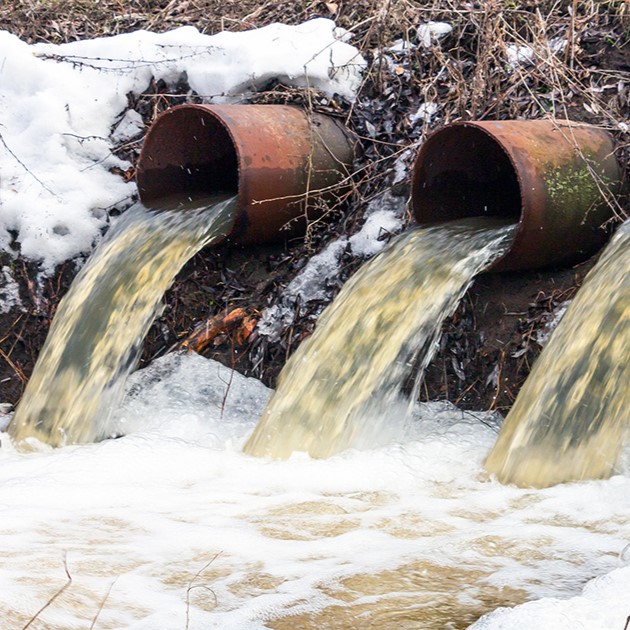
Chemicals, including phytosanitary products, contaminate soil and groundwater. Pollution from heavy metals such as lead and mercury primarily originates from industrial activities and transportation. These various types of pollution severely threaten water quality and ecosystems.
Fossil Resources
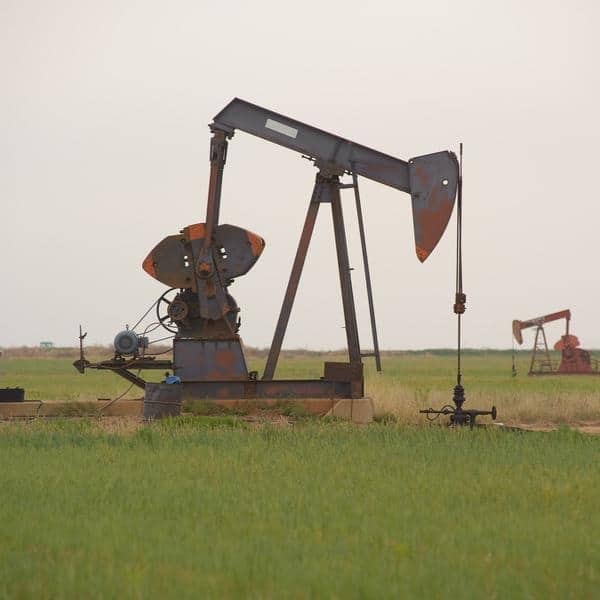
This flow indicator is expressed in Megajoules (MJ). It represents the amount of non-renewable energy (coal, gas, oil, uranium, etc.) used during the provisioning, transportation, utilization, or end-of-life stages of various elements in their lifecycle.
COMMENCEZ PAR CHANGER DE SLIP !